
About Swiss Francs Exchange
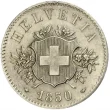
The Swiss Franc (CHF) is the official currency of Switzerland and Liechtenstein. It is one of the world’s most stable and trusted currencies, often viewed as a safe-haven asset in times of global economic uncertainty. The Franc was introduced in 1850, replacing the various regional currencies that had circulated in Switzerland, and has since become a key part of the country’s financial system.
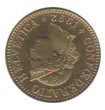
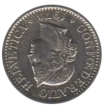
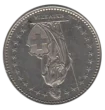
The Swiss Franc is subdivided into 100 centimes, and the currency is issued in both coins and banknotes. Coins are available in denominations ranging from 5 centimes to 5 francs, while banknotes are issued in denominations of 10, 20, 50, 100, 200, and 1,000 francs.
The designs on Swiss Franc banknotes feature important cultural figures, scientific achievements, and symbols of Swiss innovation and neutrality.
Switzerland’s economy is known for its financial services, pharmaceuticals, and high-tech manufacturing sectors. The Swiss Franc plays a vital role in supporting Switzerland’s trade relationships with countries worldwide. It is widely used in international financial transactions and is a key currency in global markets.
The Swiss National Bank (Schweizerische Nationalbank) is responsible for issuing the Swiss Franc and managing the country’s monetary policy. The central bank’s main objectives are maintaining price stability, controlling inflation, and promoting financial stability. The Swiss Franc is a freely traded currency and is known for its stability.
In conclusion, the Swiss Franc has been the official currency of Switzerland since 1850 and continues to play a crucial role in supporting the country’s economic growth. It remains a symbol of Switzerland’s financial stability and its reputation as a global financial hub.