
About Maltese Lira Exchange
The Maltese Lira (MTL), also known as the pound, was the official currency of Malta from 1972 until 2008, when it was replaced by the Euro. The Lira was introduced following the country’s transition to a republic and its efforts to establish its own national identity after gaining independence from Britain. Prior to the introduction of the Maltese Lira, Malta used the British Pound. The Lira quickly became a symbol of the nation’s growing autonomy and economic stability.
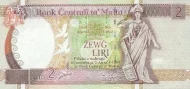
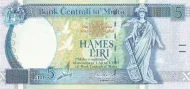
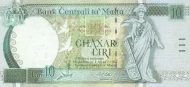
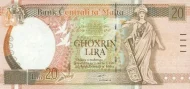
The Maltese Lira was subdivided into 100 cents, and the currency was issued in both coins and banknotes. Coins were available in denominations ranging from 1 cent to 1 lira, while banknotes were issued in denominations of 2, 5, 10, 20, and 50 lira. The designs on Maltese Lira banknotes typically featured prominent national symbols, historical figures, and important cultural landmarks. These designs reflected Malta’s rich cultural heritage, with images of fortifications, architectural landmarks, and maritime elements.
Malta’s economy is diverse, with key sectors including tourism, shipping, manufacturing, and financial services. The Maltese Lira played a significant role in supporting Malta’s economic development, particularly as the country integrated into global markets and expanded its financial sector. The stability of the Lira was crucial for building investor confidence and facilitating trade relationships, particularly with other European countries. As Malta became a member of the European Union in 2004, the Lira helped the nation secure a stronger position in international markets.
In January 2008, Malta officially adopted the Euro, replacing the Maltese Lira at a fixed exchange rate of 1 Euro to 0.4293 Maltese Lira. The transition to the Euro marked a major milestone in Malta’s integration into the European economy, providing the country with greater access to European financial markets and strengthening its position within the Eurozone. Despite the adoption of the Euro, the Maltese Lira continues to hold sentimental value for many Maltese people, as it represents an important period in the country’s history.
The Maltese Lira remains a treasured part of Malta’s economic history, and Lira banknotes and coins are now prized by collectors. Many Maltese people view the Lira as a symbol of the country’s independence and its development into a modern European nation. For years, the Maltese Lira supported Malta’s economy, helping the country navigate its path through changing global markets and political landscapes.
In conclusion, the Maltese Lira was the official currency of Malta for over three decades, playing a central role in the country’s economic growth. It was replaced by the Euro in 2008, but it continues to hold historical significance as a symbol of Malta’s independence and national identity.