



About Indian Rupees Exchange
The Indian Rupee (INR) is the official currency of India, one of the world’s largest and fastest-growing economies. The rupee has a long and storied history, with its origins dating back to ancient India, where silver and gold coins known as “rupiya” were used. The modern Indian Rupee was introduced in 1540 by Sher Shah Suri and has since undergone various reforms and changes, evolving into the currency used in India today. It remains a symbol of India’s rich cultural heritage and economic development.
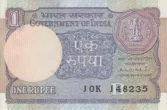
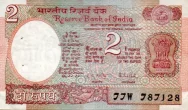
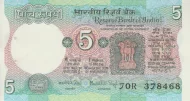
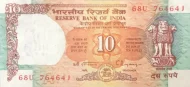
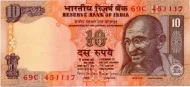
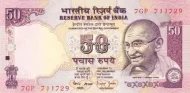
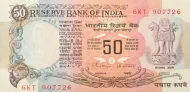
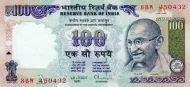
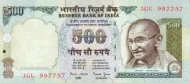
The Indian Rupee is subdivided into 100 paise, and the currency is issued in both coins and banknotes. Coins are available in denominations of 1, 2, 5, and 10 rupees, while banknotes are issued in denominations of 10, 20, 50, 100, 200, 500, and 2,000 rupees. The designs on Indian Rupee banknotes reflect the country’s cultural and historical diversity, with images of important national figures, such as Mahatma Gandhi, and famous landmarks, including the Red Fort and the Gateway of India.
India’s economy is diverse, with major contributions from agriculture, manufacturing, information technology, and services. The Indian Rupee plays a central role in facilitating domestic and international trade. Over the past few decades, India has experienced rapid economic growth, and the rupee has become one of the most widely used currencies in South Asia. India’s increasing integration into the global economy has further solidified the rupee’s importance.
The Reserve Bank of India (RBI) is responsible for issuing the Indian Rupee and managing the country’s monetary policy. The RBI plays a crucial role in maintaining price stability and controlling inflation, both of which are essential for preserving the value of the currency. In recent years, the Indian government has implemented several economic reforms aimed at modernizing the country’s financial system, promoting economic growth, and improving the stability of the rupee.
One of the key challenges facing the Indian Rupee is its vulnerability to global economic fluctuations, particularly changes in oil prices and international trade dynamics. India is a major importer of crude oil, and the rupee’s value is often influenced by shifts in global oil prices. Additionally, the rupee has experienced periods of volatility due to changes in foreign investment and fluctuations in global markets. Despite these challenges, the Indian Rupee has remained relatively stable.
The Indian Rupee also plays a significant role in the remittance market, as millions of Indians living abroad send money back to their families in India. The rupee’s stability and the strength of India’s economy have made it a trusted currency for remittances, contributing to the country’s foreign exchange reserves.
In conclusion, the Indian rupee has been India’s official currency for centuries and remains a vital part of the country’s economic system. It plays a central role in facilitating India’s rapid economic growth and increasing global economic influence.