

About Dutch Guilders Exchange
The Dutch Guilder (NLG), also known as the “florin,” was the official currency of the Netherlands for over 300 years, until it was replaced by the Euro in 2002. The guilder has a long and storied history, playing a key role in the development of the Dutch economy and its status as a global trading power. The currency was first introduced in the 17th century, during the Dutch Golden Age, a period when the Netherlands was one of the world’s leading maritime and economic powers.
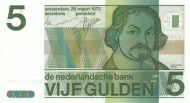
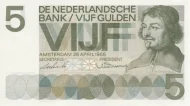
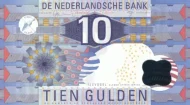
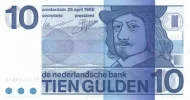
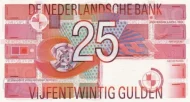
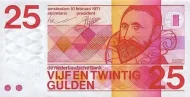
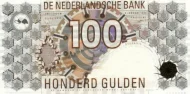
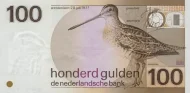
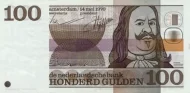
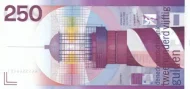
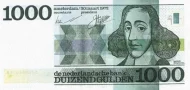
The guilder was subdivided into 100 cents, and the currency was issued in both coins and banknotes. Coins were minted in denominations of 1, 5, 10, 25, and 50 cents, as well as 1, 2½, and 5 guilders. Banknotes were available in denominations of 5, 10, 25, 50, 100, 250, and 1,000 guilders. The designs on Dutch Guilder banknotes often featured images of notable Dutch historical figures, national landmarks, and symbols that reflected the country’s rich cultural heritage.
The guilder was one of the world’s most stable and widely used currencies for much of its history, particularly during the 19th and 20th centuries. The Netherlands’ strong industrial base, coupled with its status as a major global trading hub, contributed to the stability and reliability of the guilder. The Dutch economy benefited from its extensive trade relationships, particularly in shipping, agriculture, and finance, all of which were supported by the strength of the guilder.
The central bank of the Netherlands, De Nederlandsche Bank, was responsible for issuing the guilder and managing the country’s monetary policy. Established in 1814, the central bank played a crucial role in maintaining the guilder’s stability, particularly during times of economic turmoil. For example, the guilder was reintroduced after World War II as part of the country’s recovery from the conflict, and it helped to stabilise the Dutch economy during the post-war period.
The Dutch Guilder remained in use until 2002, when the Netherlands adopted the Euro as part of its integration into the European Union’s Economic and Monetary Union. The exchange rate was fixed at 2.20371 NLG to 1 EUR, and the transition to the Euro was seen as a significant milestone in the Netherlands’ economic development. The adoption of the Euro marked the end of an era for the guilder, which had been a symbol of Dutch economic strength for centuries.
Despite being replaced by the Euro, the Dutch Guilder remains a nostalgic symbol for many in the Netherlands. Guilder banknotes and coins are now sought-after collectibles, valued for their historical significance and unique designs. The currency’s long history and its role in shaping the Dutch economy have ensured that it remains an important part of the country’s financial legacy.
In conclusion, the Dutch Guilder was the official currency of the Netherlands for over 300 years, playing a key role in the country’s economic history until its replacement by the Euro in 2002. It remains a symbol of the Netherlands’ rich economic and cultural heritage.